
6 Home Remedies to Control High Blood Pressure (Hypertension)
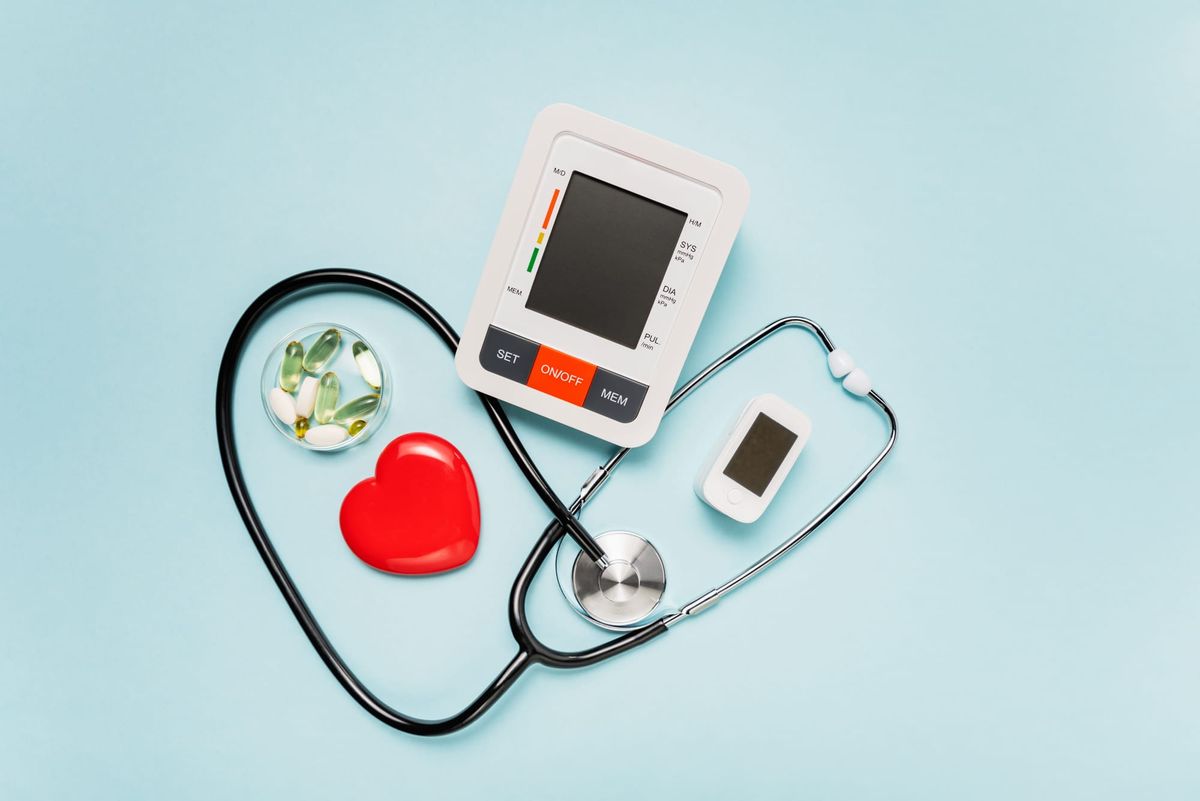
What your body is telling you and six evidence-backed ways to respond
Blood pressure measures the force of how blood flows from the heart through the arteries. Higher blood pressure means that blood is flowing much faster than usual. This increases blood pressure, puts added stress on fragile tissues in the arteries, and damages them.
Normal blood pressure is defined by the American Heart Association (AHA) as being under 120/80 mm Hg (millimeters of mercury). Medications are available to lower high blood pressure, but there are also many lifestyle changes that help in lowering your blood pressure as well.
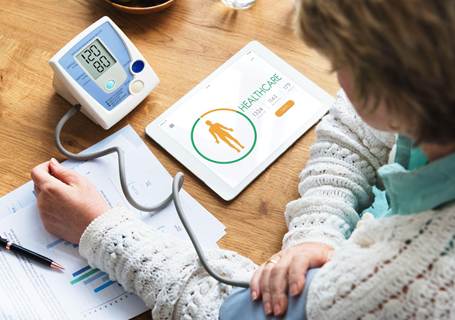
1: Move Your Body Consistently
Exercise is arguably the most powerful non-pharmaceutical way available for managing blood pressure. It helps strengthen the heart, enabling it to pump blood with less effort, resulting in lower pressure against the walls of the arteries.
The American Heart Association recommends at least 150 minutes of moderate-intensity aerobic activity each week, that's 30 minutes a day, five days a week. Brisk walking, cycling, swimming, or dancing all count. After a session, blood pressure can remain lower for up to 24 hours.
Strength training adds another layer of benefit and should be included at least two days a week. The most crucial part of this entire program is consistency. Participating in sporadic, intense exercise will have less impact on an individual with coronary blockage than participating in a moderate amount of physical activity on a regular basis.
Start Here
Add a 20-minute walk after dinner three times this week. You are training your cardiovascular system to be more efficient with every step.
2: Reduce Sodium, Increase Potassium
Although not everyone develops high blood pressure from salt consumption, many people do develop it due to high sodium intake. This is evident in older adults and individuals who already have hypertension. Sodium retains water in the body, increasing blood volume and raising pressure against the arterial walls.
Your goal should be 2,300 mg of sodium each day (or about 1 teaspoon of table salt). The main source of this sodium will likely be processed foods such as canned soups, deli meats, packaged sauces, and restaurant meals. This is why reading labels is one of the most effective habits you can develop!
Potassium increases renal sodium excretion and promotes dilation of vascular walls. The Mayo Clinic recommends a daily intake of potassium between 3500 and 5000 mg; many sources include bananas, sweet potatoes, spinach, beans, and avocados.
Start Here
Swap one processed meal per day for a home-cooked alternative. You will cut your sodium intake significantly without counting a single milligram.
3: Follow the DASH Diet
The Dash Diet (Dietary Approaches to Stop Hypertension) was originally designed to lower blood pressure as effectively as possible, and it has one of the most reliable databases for a dietary intervention.
The DASH framework has a simple philosophy: it emphasizes whole-grain foods such as pasta, rice, and bread, as well as a wide variety of fruits and vegetables, while limiting the intake of saturated fat, red meat, sweets, and sugary drinks.
It also helps to cut back on desserts and sweetened beverages, such as soda and juice. Making even slight adjustments to your diet can be beneficial.
Start Here
This week, replace one refined-grain serving (white rice, white bread) with a whole-grain alternative. Small substitutions compound over time into a meaningfully different diet.
4: Reduce Alcohol and Quit Smoking
Drinking a little bit of alcohol can help lower blood pressure. However, drinking large amounts of alcohol on a regular basis raises blood pressure directly and can make the medications less effective.
The recommendation is to have a maximum of one drink per day for women and two drinks for men, but to drink even less if you are managing hypertension.
Smoking is a different category entirely. Each cigarette causes a temporary but sharp spike in blood pressure, and the chemicals in tobacco damage artery walls over time, narrowing the passages through which blood flows.
Quitting smoking is the single most important thing you can do to improve the health of your cardiovascular system. You can find free resources for quitting smoking via the Smokefree.gov hotline.
Start Here
Track your drinks this week, not to judge, but to see clearly. Many people consume more than they realize once they start counting.
5: Manage Stress Intentionally
When stressed, your body produces hormones that cause your heart rate to beat faster causing your blood pressure to be higher than normal. This is part of how our bodies have adapted to deal with short-term acute stress. The problem comes when stress is chronic, when the alarm never fully switches off.
The American Heart Association states that chronic stress causes you to behave in ways that raise blood pressure, such as choosing unhealthy foods to eat, drinking alcohol excessively, not getting enough physical activity, and not being able to sleep regularly. Addressing stress is therefore both directly and indirectly effective in reducing blood pressure.
You can manage stress through regular exercise, yoga, meditation, deep breathing, and social connection. The specific method matters less than whether you actually do it.
Start Here
Identify one recurring stressor this week and take one concrete step to reduce or respond to it differently. Identify the cause before looking for the solution.
6: Prioritize Sleep
Sleep is where blood pressure regulation happens. During healthy sleep, blood pressure naturally dips. This is a process called "nocturnal dipping." When sleep is poor or insufficient, this dip does not occur, leaving your cardiovascular system without its nightly recovery window.
Sleep deprivation reduces dopamine receptor sensitivity, disrupts cortisol rhythms, and is strongly associated with elevated daytime blood pressure.
Start Here
Set a screen-off alarm 45 minutes before your intended sleep time tonight. Replace it with anything analog, like reading, stretching, or a short conversation.
Signs Its Time to See a Doctor
● Your blood pressure consistently reads above 140/90 mm Hg at home
● You experience severe headaches, vision changes, or chest pain
● Lifestyle changes have not moved your numbers after 3–4 weeks
● You have diabetes, kidney disease, or a family history of heart disease
● Any reading above 180/120 mm Hg, this is a hypertensive crisis requiring emergency care
Home remedies work best as part of a broader care plan, not as a replacement for professional guidance. None of the six strategies above requires perfection; they require consistency.
A 15-minute walk most days outperforms a single intense session. A mostly low-sodium diet outperforms a perfect one that you abandon after a week.
Your blood pressure is not fixed. It responds to what you do every day. Start with one change, measure it, and build on it.
Jonesha Smith