
Difference between Eustress vs. Distress: What Is Good Stress?
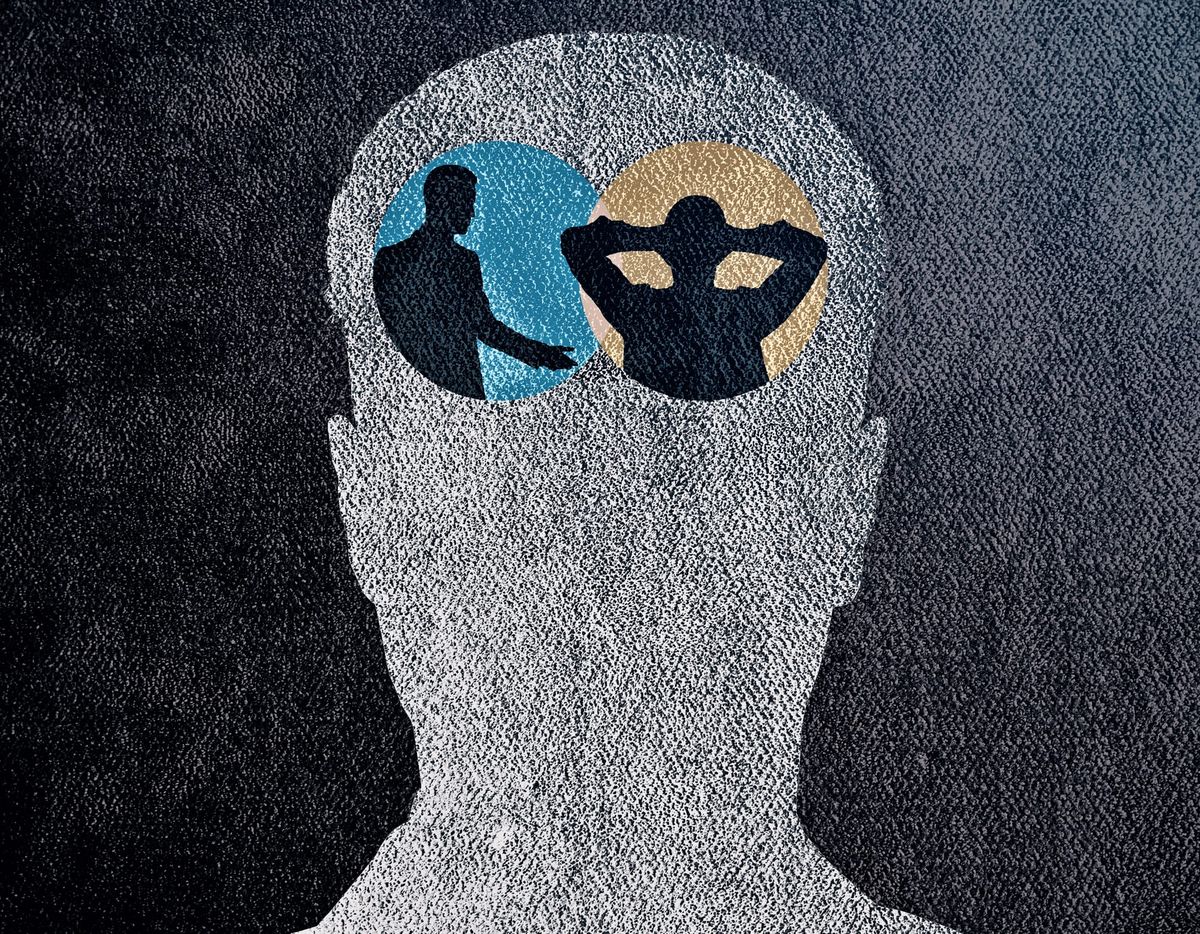
Eustress helps us stay motivated, work toward goals, and feel good about life.
We talk about stress like it's always the enemy or something to eliminate, manage, or escape. But what if not all stress is created equal?
What if some stress is actually on your side, silently powering your motivation, development, and feeling of purpose? If you have just heard of the concept of positive stress, then you are not alone, since we all mostly associate stress with negative incidents.
That's exactly what eustress means, the "good" kind of stress. Gaining knowledge of how eustress and distress differ may help you understand how to interact with pressure, challenge, and even discomfort in your everyday life.

Eustress vs. Distress
The majority of people put all stress under one single category: bad. However, psychologists have long been aware that there are different kinds of stress.
Eustress (pronounced yoo-stress) means positive stress. This type can inspire you, make you want to do more, and help you feel happily alive. Clinical psychiatrist Dr. Michael Genovese says that pleasurable or difficult events trigger the body's production of certain chemicals, and this chemical reaction is not always damaging.
On the contrary, it is even possible that, without eustress, our health would gradually deteriorate without our noticing. It's the thrill you get just before delivering a presentation to a large audience, the nerves before going on a first date, or the pleasure of getting a new job.
Distress, on the other hand, is what most people picture when they hear the word "stress." Generally, distress is stress induced by negative events or experiences when you feel that your internal resources are just not enough to cope with the external demands made on you. Licensed professional counselor Casey Lee, MA, points out that stress of this kind can cause anxiety, depression, and a significant fall in performance, among other things.
What Makes Eustress "Good Stress"?
The major distinction between eustress and distress is not only how the stress makes the person feel, but also the effect the stress has on the individual.
Psychologist Dr. Kara Fasone can be quoted here: eustress refers to challenging yourself without running out of your personal resources. It is stretching your boundaries but not breaking you. Plus, in time, it will lead to your growth in three major areas:
● Emotionally: Eustress creates a desire to act, inspiration, satisfaction, and what psychologists name "flow", that state of being deeply engaged, effortlessly performing at an optimal level without being aware of one's surroundings.
● Psychologically: It builds self-efficacy (belief in your own abilities), autonomy, and resilience. According to the American Psychological Association, developing resilience is one of the most powerful tools for long-term mental health.
● Physically: Physical eustress stimulates muscle growth, improves cardiovascular health, and boosts endurance. According to the Mayo Clinic, one of the greatest things for your body and mind is engaging in regular physical activity.
Here are the Examples of Eustress
You’d be surprised how many aspects of your life eustress can appear in. Below are just a few circumstances in which positive stress may be a factor in people’s lives.
Eustress at Work
Taking on a new project that expands your skills can be a great example of eustress. If the challenge is doable, that is, you have fair time, a clear understanding of expectations, and team support, then the pressure at work can not only be a way to learning but also lead to one’s professional development and growth.
If the workload is very high, deadlines are unrealistic, or the environment is toxic, the same pressure can turn into distress. A huge role is played by context.
Eustress in Personal Interests
When you try a new hobby, learn a language, or take up an instrument, these activities require a period of discomfort and difficulty.
You are not getting the first skill, you are making mistakes, and it is difficult. But that is exactly where you develop.
As you develop the skill and even start winning at small things, it becomes a self-reinforcing process.
Eustress and Travel
Stepping into an unfamiliar city, navigating a different culture, ordering food in a language you barely know, travel is objectively stressful.
But for most people, it's also exhilarating. The novelty, the discovery, the immersion in something bigger than your daily routine, these are hallmarks of eustress. Even the discomfort tends to feel worthwhile in hindsight.
Eustress and Physical Conditioning
Physical eustress is the burning sensation in your body after running or doing arm exercises.
Harvard Health Publishing states that exercise is one of the best stress-relief options because it allows us to use physical tension for productive physical adaptation.
How to Include More Positive Stress in Your Life
Most likely, you have been in eustress at times – maybe you just did not know its name. However, if you really want to have more of it intentionally, here are really practical tips:
● Try to learn something new every day, even if it is small. Being curious is actually a kind of positive stress.
● Create goals that challenge you that are tough enough to give you a sense of meaning, yet realistic enough so that you are able to achieve them.
● Agree to new work responsibilities, especially those that require you to acquire a new skill.
● Move your body regularly. To simultaneously create production physical eustress and alleviate mental distress, exercise is the most dependable method.
● Travel or explore new environments, even if they are only locally. This is because novelty is a natural trigger of eustress.
The Bottom Line
Stress is an unavoidable part of being alive. But not all of it is working against you. Eustress – the kind of stress that comes with challenge, growth, and meaningful effort – is actually an essential ingredient in a fulfilling life.
The goal isn't to eliminate stress entirely. It's about recognizing when stress is sharpening you versus when it's depleting you.
However, it’s important to balance stress with rest and relaxation, especially if you experience significant distress.
Jonesha Smith