
The Dark Side of Dopamine: Why Nothing Feels Rewarding Anymore
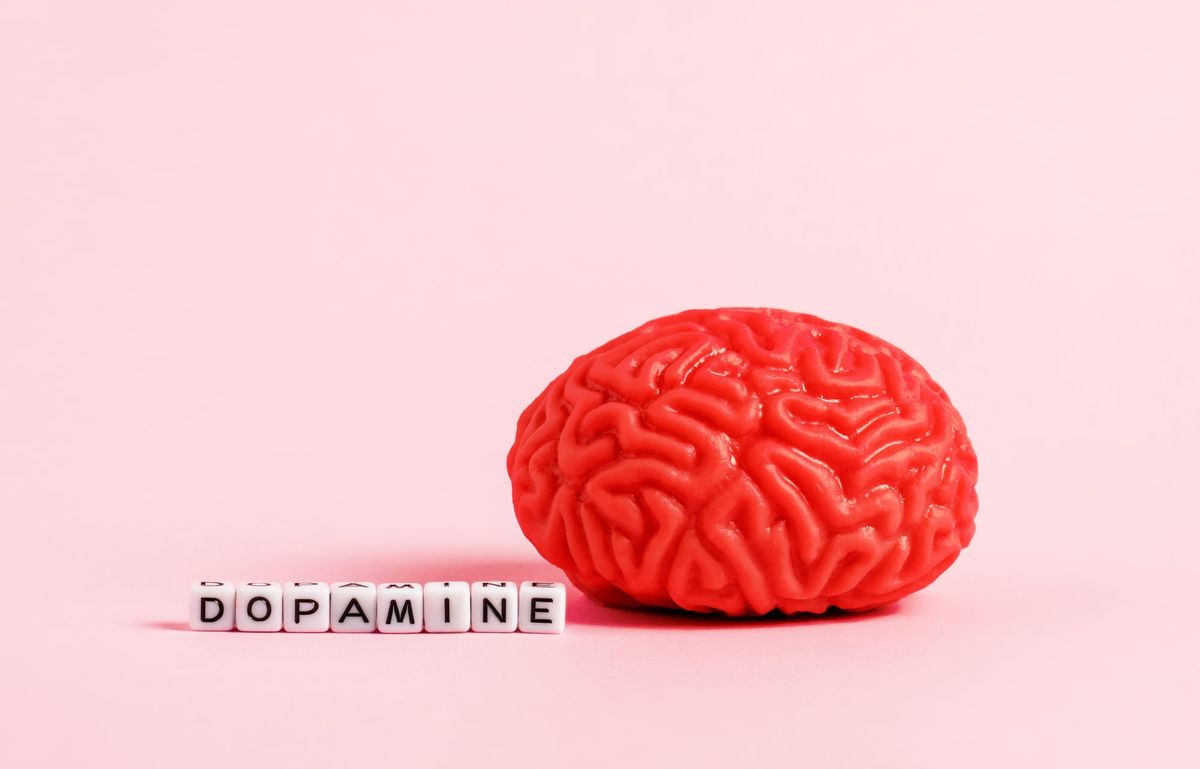
How the brain's motivation system turns against you
You get up, grab your phone, spend twenty minutes scrolling through social media, and feel nothing. A meal that used to make you happy tastes bland, and your favorite hobby feels like a job now.
The things that once made you excited just don't do it for you anymore. You're not being lazy, nor are you being ungrateful; you are just burned out because your dopamine system is exhausted.

What Dopamine Actually Does
Dopamine is considered "the pleasure chemical" in the brain by many, but this is only partly true. In fact, the primary role of dopamine is as a motivation signal. It is the reason you are working toward a reward, not simply the reason you enjoy it when you get there.
Dopamine is a neurotransmitter produced in the brain and is responsible for processing rewards and motivating us to get them. The dopamine release that occurs when something feels good does not simply give you pleasure; it also encodes a memory of what you wanted and signals your brain to seek it again.
However, these systems can become overstimulated and, in today's world, continually receive too much stimulation.
The Overstimulation Trap
Every notification, every swipe, every algorithm-driven video is designed to provide a few moments of pleasure through the release of dopamine. While each individual "high" of dopamine release may seem small, together, they create an unending cycle of stimulation.
Stanford School of Medicine psychiatrist Anna Lembke describes the smartphone as similar to a "hypodermic needle" (a medical needle used to inject medication) that continually delivers "digital dopamine". For this reason, the engineering of these social media platforms is intentional. They are designed to keep you searching for your next high before the previous one has finished.
When your brain receives repeated, large amounts of stimulation from various types of cyber sources, it begins to change to adapt to the increased stimulation from multiple groups. One of the ways your brain does this is by adjusting dopamine (DV) levels, thereby causing dopamine receptors to become less responsive when stimulated.
The same stimulus that once produced a strong response now produces a weaker one. Your baseline shifts upward. Ordinary life, which once felt satisfying, now feels dull by comparison. This is not a personal failing. It is neurobiology.
When the System Breaks Down: Anhedonia
The clinical term for this loss of reward response is anhedonia, from the Greek, meaning the inability to feel pleasure.
Anhedonia represents both dopamine dysregulation, or malfunction, and severe over-stimulation on a daily basis, which are both contributing factors that lead to greater and more prevalent levels of anhedonia than most individuals realize.
When "hijacked" by compulsive behaviors that affect the reward and stress centers of the brain, functional changes in the dopamine circuitry occur as a consequence of pathological brain adaptation, producing what researchers describe as an "anti-reward brain state."
This anti-reward state doesn't arrive dramatically. It creeps in. You notice you're bored more easily. You start activities and abandon them quickly.
Emerging research on "digital anhedonia" points to less pleasure from physical experiences after being "immersed" in digital experiences for a long time. Neuroimaging studies have shown that heavy social media users have higher activity levels in regions of their brain that produce pleasure and feelings of emotion; therefore, they have patterns in their brains similar to people with addictive behavior.
The Effort Paradox and Why It Matters
What makes dopamine dysfunction subtle is the fact that the activities that will best restore your reward system will be the ones that you want to do the least: exercise, meaningful work, deep conversations, and learning new things.
All require effort, and when your dopamine system is depleted, effort feels aversive. Therefore, your brain naturally falls back on the easier forms of stimulus – the phone, the news feed, the next video – and exacerbates the problem.
Research on delayed gratification reveals that waiting for a larger reward triggers a steady increase in dopamine levels, reinforcing the value of patience and perseverance, a more sustainable form that is less vulnerable to the problems of addiction.
Signs Your Dopamine System Is Under Strain
You don't need a clinical diagnosis to recognize the pattern. These are common indicators that your reward system is struggling:
● Activities you used to enjoy now feel like obligations
● You feel restless when not stimulated, but also unable to focus when you are
● Anticipation has flattened; you rarely feel genuinely excited about upcoming events
● You reach for your phone not because you want anything specific, but because stillness feels uncomfortable
● You finish meals, conversations, or experiences feeling underwhelmed
None of these alone is alarming. As a consistent pattern, they signal that your baseline has shifted and that recalibration is needed.
Rebuilding the Reward System
The good news is that the brain is adaptable. The same neuroplasticity that allowed overstimulation to desensitize your dopamine system can work in reverse.
Reduce the signal-to-noise ratio.
The first step is to reduce, but not entirely eliminate, your cheap forms of stimulation so your brain can stop waiting for constant input from these sources. For example, by having phone-free time at specific times of the day, like breakfast in the morning or during meals, you will allow your brain to receive its natural rewards again.
Reintroduce friction deliberately.
Choose activities that require patience and effort: cooking a real meal, reading a long book, learning an instrument, walking without a podcast.
Protect anticipation.
Dopamine levels rise in anticipation of a reward rather than at the time of receiving it. By spacing pleasurable experiences over time instead of indulging yourself each time, you can maintain the anticipatory response.
For example, watch one episode at a time rather than five in a row; or eat a meal on a special occasion instead of whenever you want. Allow yourself to enjoy the anticipation of an event or experience.
Prioritize sleep and movement.
Both directly support dopamine regulation. Sleep deprivation reduces dopamine receptor sensitivity. Physical exercise increases dopamine synthesis and improves receptor function, one of the most reliable and well-documented recovery tools available.
Quick Wins This Week
Choose one morning this week to leave your phone in another room for thirty minutes after waking up. You only need to avoid scrolling or looking at the screen. Notice how different the first hour of your day will feel without any stimulation from your phone before your brain is completely awake.
Select one former activity that you enjoyed doing regularly and that you no longer do, and then spend 20 minutes doing that activity today without a screen present. You won't get a quick thrill from doing this. This is your goal - you are retraining the way your brain feels pleasure (receives reward signals) at a slower rate.
Tonight, set a hard stop for any screen-based consumption at least forty-five minutes before bed. Replace it with anything analog, a conversation, stretching, or reading. Sleep is where dopamine receptors repair themselves, and the quality of that repair depends on how you enter it.
Jonesha Smith