
The Hidden Signs Your Gut Health May Be Affecting More Than Digestion
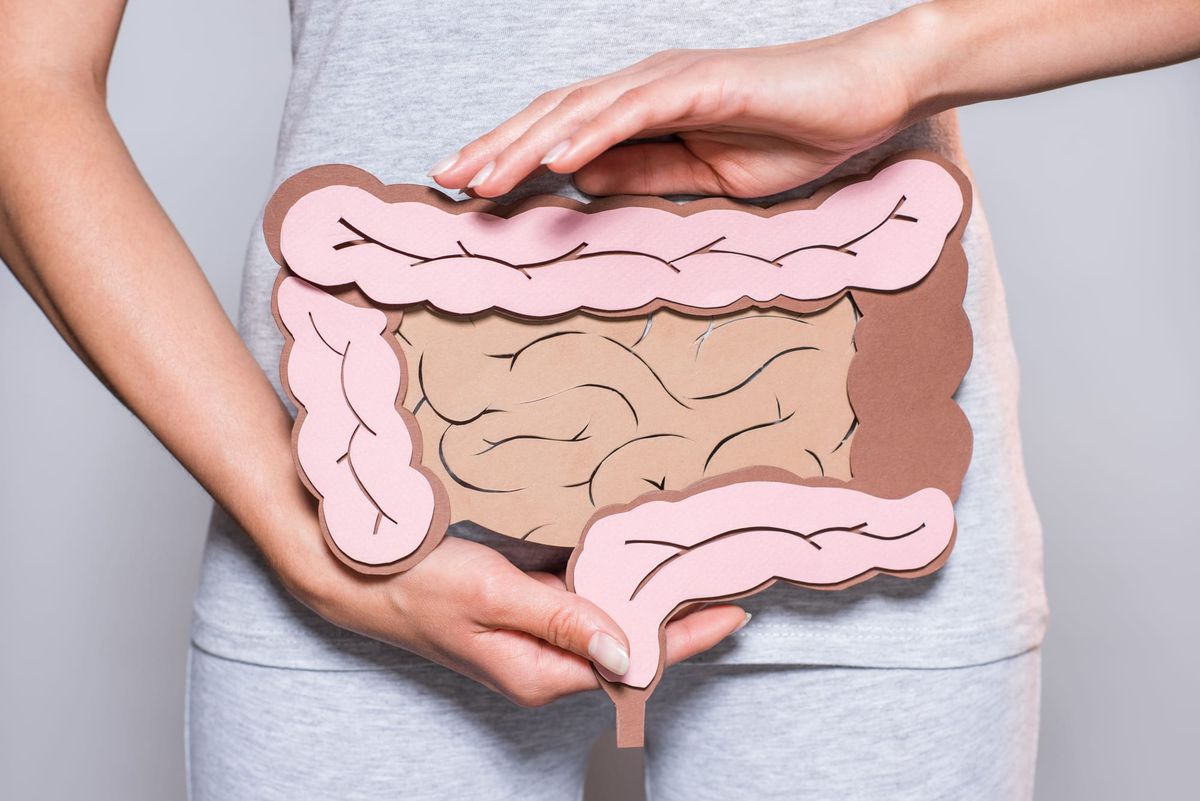
For decades, standard medical advice treated the digestive tract as a simple, isolated plumbing system. We assumed that the stomach and intestines served a singular purpose: breaking down food, absorbing nutrients, and excreting waste. Under this outdated framework, a "gut issue" was only present if you were actively dealing with localized symptoms like bloating, acid reflux, or abdominal discomfort.
Modern clinical physiology has completely shattered this narrow view. Your gastrointestinal tract is home to the gut microbiome—an incredibly vast ecosystem of trillions of microorganisms that interact continuously with your nervous, immune, and metabolic systems. In fact, your gut functions as a primary control center for your entire biology. When this ecosystem falls into a state of chronic imbalance (dysbiosis), it rarely limits its damage to your stomach. Instead, it sends inflammatory signals across your entire frame, manifesting as hidden systemic issues that many adults fail to link to their digestive health.
1. Persistent Brain Fog and Cognitive Fatigue
One of the most immediate signs of an compromised gut environment is a sudden, persistent drop in mental clarity. Many high-performing professionals struggle with midday brain fog, focus lapses, and sensory exhaustion, automatically blaming these issues on an intense workload or a lack of caffeine.
The real driver often resides in the gut-brain axis—a bidirectional biological highway that allows your gastrointestinal tract and your central nervous system to communicate continuously via the vagus nerve. Your gut microbes are responsible for manufacturing over 90% of your body's serotonin and a vast portion of its dopamine, the primary neurotransmitters required for emotional regulation, memory consolidation, and deep focus. When chronic inflammation compromises the integrity of your gut lining, it allows metabolic waste and toxins to breach the intestinal barrier. This condition, known as increased intestinal permeability, triggers a systemic immune response that travels up to the brain, destabilizing the blood-brain barrier and presenting practically as neurological fatigue.
2. Unpredictable Skin Flare-Ups and Systemic Inflammation
Your skin is a structural reflection of your underlying internal biochemistry. When individuals experience sudden adult acne, eczema breakouts, or general skin redness, their immediate reaction is to buy expensive topical creams or alter their external skincare routines.
This surface-level approach completely ignores the gut-skin axis. When an erratic nutritional pattern full of refined carbohydrates and industrial seed oils alters the balance of your microbiome, it triggers a continuous cascade of cellular inflammation throughout your vascular system. This internal inflammatory stress alters your body's natural sebum production and weakens the delicate structural matrix of your skin barrier. True dermatological health cannot be achieved through topical fixes alone; it requires shifting your focus inward and healing the digestive environment to stop the inflammatory cascade at its primary source.
3. Erratic Mood Fluctuations and Neurochemical Volatility
It is common to view stress, mild anxiety, and sudden mood shifts as purely psychological hurdles that must be managed through sheer willpower or mental conditioning. While mental resilience is essential, your emotional baseline is heavily anchored by the health of your microbiome.
Because your gut microbes synthesize vital calming neurotransmitters like gamma-aminobutyric acid (GABA), a damaged gut environment can directly alter your brain's neurochemical balance. An imbalanced microbiome can also prompt your adrenal glands to release higher baseline levels of stress hormones like cortisol and adrenaline. This constant hormonal drive keeps your sympathetic nervous system locked in a state of high hyper-vigilance, making you significantly more vulnerable to emotional exhaustion and lowering your threshold for handling everyday professional eustress.
4. Unexplained Joint Stiffness and Tissue Tears
When an adult struggles with lingering joint stiffness, a higher rate of tendon strains, or an inability to bounce back efficiently from standard physical workouts, they typically blame their training volume or age.
However, systemic dysbiosis acts as a silent drain on your musculoskeletal frame. When your gut lining is chronically inflamed, it compromises your body's natural capacity to absorb vital micro- and macronutrients, including the amino acids required for collagen and elastin synthesis. Operating on a continuous nutritional deficit deprives your joints, tendons, and spinal ligaments of the essential building blocks they need for continuous cellular repair. Furthermore, circulating inflammatory markers originating from an imbalanced gut can actively accumulate in joint capsules, triggering morning stiffness and premature structural wear.
Strategic Habits to Restore Your Micro-Ecosystem
Optimizing your biological gut health requires moving past superficial probiotic supplements and adopting a deliberate, defensive lifestyle strategy designed to stabilize your internal biochemistry.
- Anchor with a Fiber and Protein-Forward Diet: Base your meals around a substantial protein source combined with a diverse array of fiber-rich whole foods, which naturally slow digestion and feed beneficial microbes.
- Incorporate Post-Meal Movement Snacks: Take a brief 10 to 15-minute walk immediately following your largest meals to clear circulating glucose, naturally lowering metabolic inflammation and supporting healthy motility.
- Lock in Absolute Sleep Consistency: Keep your bedtime and wake-up times identical every single day of the week to protect your internal circadian clock, which heavily dictates the cyclical repair of your intestinal lining.
- Establish a Pre-Bed Digital Buffer: Commit to a strict 60-minute screen-free window before bed to allow your nervous system to down-regulate, dropping your body into the parasympathetic state required for optimal digestion.
The Takeaway
Your digestive system is the foundational cornerstone of your physical stamina and cognitive longevity. True daily vitality is not an accidental byproduct of genetic luck; it is the direct consequence of the biochemical environment you establish through your daily lifestyle choices. Your mind and body cannot function at their highest level on a perpetual deficit of gut health. By actively identifying hidden systemic triggers, stabilizing your metabolic trajectory, and protecting your microbiome, you can permanently alter your biological path—ensuring your body stays strong, your mind remains sharp, and your healthspan is fully optimized across every decade of life.
Jonesha Smith