
The Silent Health Risks of Sitting Too Much
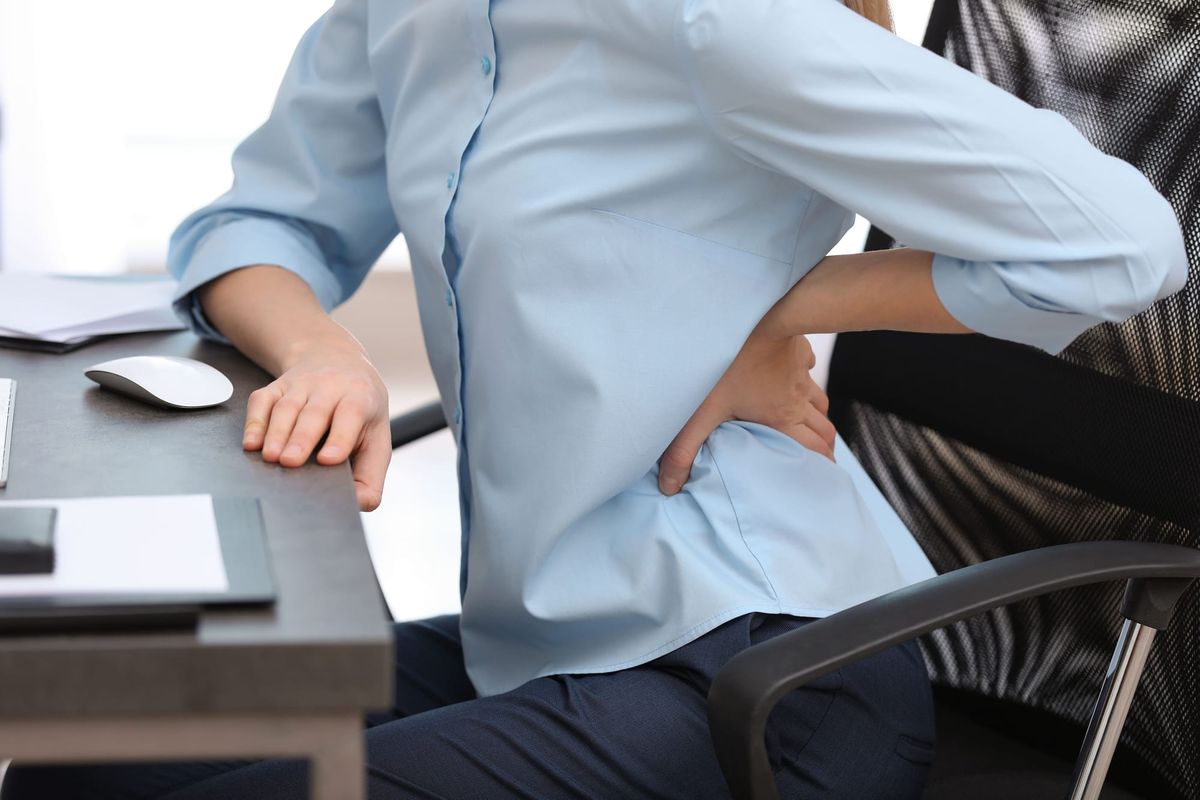
In today’s automated world, sitting has become the default physical posture. Between desk-bound office careers, long commutes, and evening screen time, the average American spends upwards of nine to eleven hours a day completely sedentary. While many believe that a grueling one-hour workout at the gym can erase the damage of a sedentary day, clinical physiology reveals a completely different reality.
Prolonged, uninterrupted sitting acts as an independent risk factor for systemic decay. It triggers a cascade of negative metabolic, cardiovascular, and muscular shifts that cannot be fully undone by a single burst of exercise, quietly undermining your healthspan from the inside out.
The Sudden Deactivation of Lipoprotein Lipase
The moment your body drops into a chair and remains completely still, your musculoskeletal system undergoes a dramatic down-regulation. The large, weight-bearing muscle groups of your lower limbs—such as your glutes, hamstrings, and quadriceps—go completely dark, requiring almost no electrical activity or cellular energy to maintain your posture.
This muscular deactivation instantly halts the production of lipoprotein lipase (LPL), a vital enzyme bound to the capillary walls of your skeletal muscles. LPL is the primary chemical compound responsible for capturing circulating fats and triglycerides from your bloodstream and converting them into usable energy. When LPL levels plummet due to prolonged sitting, your body's ability to clear fat from the blood drops by up to 90%. This structural failure allows lipids to pool in your vascular system, rapidly increasing your risk of arterial plaque buildup, heart disease, and systemic inflammation.
The Development of Acute Insulin Resistance
Your skeletal muscles are your body's primary storage sink for glucose, removing sugar from your bloodstream after meals to preserve metabolic equilibrium. Under healthy conditions, muscle contractions naturally trigger specialized glucose transporter proteins to migrate to the cell membranes, drawing sugar out of the blood without requiring massive pancreatic assistance.
When you sit uninterrupted for hours, this mechanical trigger is entirely lost. Without muscle contractions, your cells stop absorbing glucose efficiently, forcing your pancreas to pump out increasingly high levels of insulin to manage your blood sugar. Over time, this constant hormonal surge leads to a severe drop in insulin sensitivity. Even if you maintain a clean, structured diet, sitting too much locks your metabolism into a state of chronic volatility, causing sudden blood sugar spikes and overnight glucose crashes that leave you feeling perpetually fatigued.
Vascular Stiffening and Venous Pooling
Your circulatory system relies heavily on physical movement to maintain healthy blood flow. While your heart is responsible for pumping oxygenated blood out to your limbs, it lacks the structural power to easily pull deoxygenated blood back up from your lower extremities against the continuous pull of gravity. Instead, your body relies on the "skeletal muscle pump"—the rhythmic contraction of your calf and thigh muscles during movement—to squeeze your veins and push blood upward.
Sitting for hours keeps your legs completely immobile, leading to severe venous pooling in your calves and ankles. The resulting stagnation increases hydrostatic pressure within your lower blood vessels, stretching the delicate internal valves of your veins and laying the groundwork for varicose veins or deep vein thrombosis (DVT). Furthermore, the lack of dynamic blood flow reduces the friction against your arterial walls, a mechanical cue necessary to trigger the release of nitric oxide. Without this natural vasodilator, your arteries experience vascular tightening and accelerated stiffening, directly increasing your baseline blood pressure.
Postural Creep and Joint Component Degradation
The human musculoskeletal frame is structurally designed to distribute mechanical stress dynamically across an array of muscles, tendons, and ligaments. Sitting for extended blocks forces your body into a static, unnatural position that systematically distorts your physical architecture.
As fatigue sets in, most individuals succumb to "postural creep"—rounding their shoulders, collapsing their lower spine, and thrusting their neck forward toward a digital screen. This chronic slouching locks your hip flexors in a permanently shortened, hyper-tight state while completely deactivating your gluteal muscles. This muscular imbalance alters your pelvic tilt, placing intense, unbuffered compressive loads directly onto your lumbar intervertebral discs and spinal ligaments. Over time, this structural neglect starves your cartilage of vital, fluid-rich nutrients, converting temporary office stiffness into chronic lower back pain and premature joint wear.
Utilizing "Movement Snacks" to Break the Stagnation
Defending your long-term vitality against the dangers of a desk-bound lifestyle does not require abandoning your office career. True metabolic protection is achieved by breaking up your sedentary blocks with small, highly doable lifestyle choices performed consistently throughout the day.
- Integrate Brief Movement Snacks: Take a 2 to 3-minute walk, perform ten bodyweight squats, or step through a dynamic range of motion every 30 to 60 minutes to instantly reactivate your skeletal muscles and restart LPL production.
- Transition to a Standing Desk: Alternate between sitting and standing windows every hour to re-engage your core and lower body stabilizing muscles, encouraging healthy venous return.
- Execute Post-Meal Walks: Commit to a brief 10-minute walk immediately after consuming breakfast or lunch to force your muscles to actively consume circulating glucose, bypassing early insulin spikes.
- Front-Load Cellular Hydration: Maintain continuous fluid intake to protect your blood volume, keeping your urine a pale straw-yellow and preventing the vascular thickening associated with dehydration.
The Takeaway
Sitting too much is a silent systemic stressor that quietly undermines your cardiovascular health, metabolic efficiency, and physical structural integrity. Your body cannot run optimally on a perpetual deficit of movement, no matter how hard you train during your hour at the gym. Reclaiming your baseline vitality requires moving past the illusion that exercise can completely offset a sedentary day and prioritizing consistent, daily circulation. By building automated movement snacks into your schedule, protecting your metabolic health, and respecting your musculoskeletal design, you can permanently lower vascular strain, clear cognitive fog, and restore your body’s natural capacity to function at its highest level.
Jonesha Smith