
The Silent Warning Signs of Fatty Liver Disease
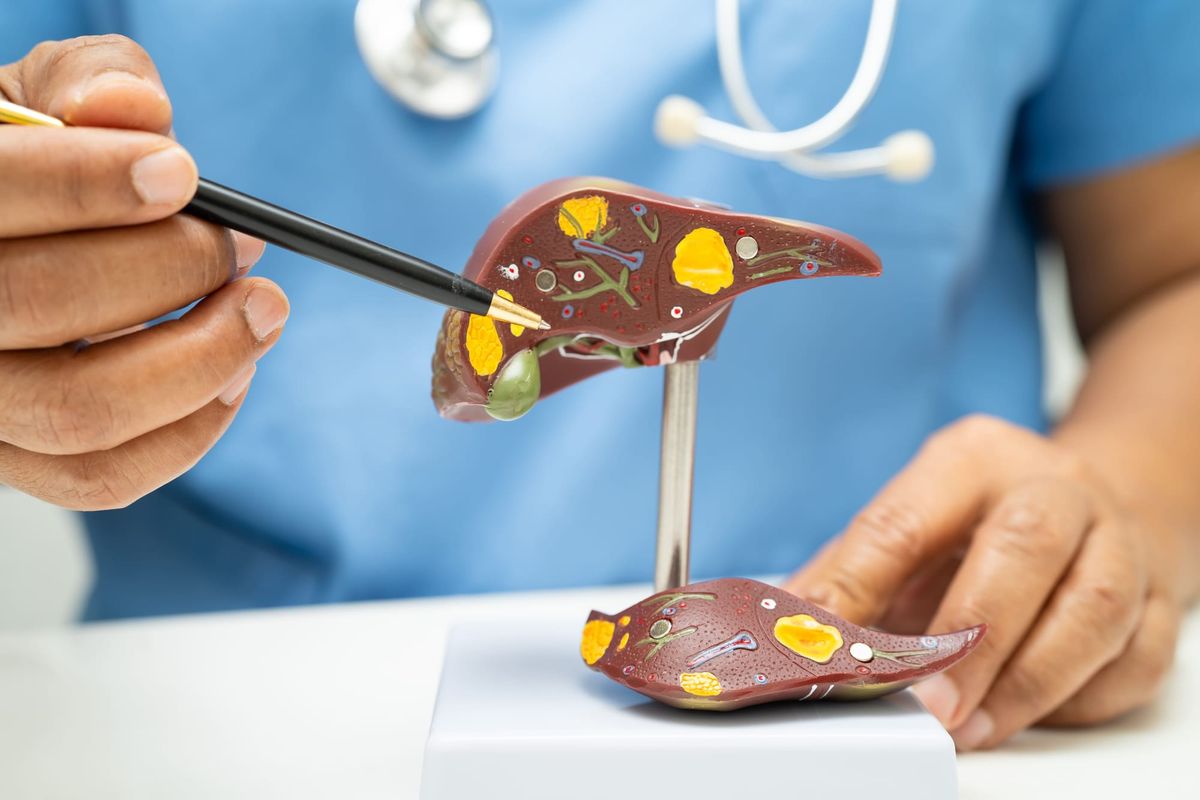
We often assume that organ stress produces immediate, unmistakable pain. However, the liver is functionally unique: its internal tissue lacks direct pain-sensing nerve fibers. Because of this, Metabolic Dysfunction-Associated Steatotic Liver Disease (MASLD)—formerly known as non-alcoholic fatty liver disease (NAFLD)—accumulates in near total silence, often progressing for years without acute distress.
Fatty liver is not merely an isolated organ issue. It is a central metabolic warning sign indicating that the liver has exceeded its safe storage capacity for energetic substrates, forcing fat droplets into hepatic cells. Recognizing the subtle, early biological signals allows you to reverse metabolic strain long before structural liver damage takes hold.
1. Subtle Right-Upper-Quadrant Fullness or Heavy Pressure
While the liver's internal parenchyma cannot feel pain, the fibrous membrane wrapping around the organ—Glisson’s capsule—is richly innervated with sensory nerve fibers.
As fat accumulates inside liver cells (hepatocytes), the organ expands. This swelling puts continuous, low-grade physical tension on Glisson’s capsule. Rather than sharp pain, this typically presents as a dull, persistent sense of tightness, pressure, or fullness located directly under the right side of your lower rib cage. Because it is subtle, it is frequently mistaken for mild indigestion, sluggish digestion, or core muscle fatigue.
2. Unexplained, Deep Fatigue and Mental Fog
The liver acts as your body’s primary energy distribution hub and waste filtration system. It maintains stable blood glucose levels, converts nutrients into usable cellular fuel, and breaks down metabolic byproducts.
When hepatocytes become congested with fat, their mitochondrial efficiency plummets. The liver loses its ability to smoothly regulate glycogen synthesis and breakdown, contributing to unpredictable energy dips throughout the day. Furthermore, reduced hepatic clearing efficiency allows metabolic byproducts to linger longer in systemic circulation, presenting biologically as unrefreshing daily fatigue and persistent cognitive fog that sleep or caffeine cannot resolve.
3. Altered Blood Lipids (Elevated Triglycerides and ApoB)
Standard annual blood panels often miss early-stage fatty liver because liver enzymes like ALT and AST can remain within normal reference ranges until significant liver inflammation or cell breakdown occurs.
However, the liver leaves clear lipid footprints in blood work long before enzymes spike. When overwhelmed by excess glucose and refined carbohydrates, the liver accelerates de novo lipogenesis—the creation of new fat directly from excess sugar. To export this fat, the liver packages it into VLDL (Very Low-Density Lipoprotein) particles and secretes them into the bloodstream. A pattern of rising fasting triglycerides, elevated ApoB, and depressed HDL is frequently the earliest circulating sign of hepatic fat accumulation.
4. Cutaneous Signs of Severe Hyperinsulinemia
Fatty liver and chronic insulin resistance exist in a tightly bound feedback loop: elevated insulin signals the liver to store fat, while fat accumulation in the liver makes the organ resistant to insulin, driving insulin levels even higher.
When circulating insulin remains persistently high, it spills over to activate insulin-like growth factor (IGF) receptors in the skin. This triggers localized hyper-proliferation of skin cells, creating distinct visual markers:
- Acanthosis Nigricans: Darkened, velvety, or hyperpigmented patches of skin, most commonly appearing on the back of the neck, armpits, or knuckles.
- Sudden Skin Tags (Acrochordons): Small, benign skin growths that begin appearing around the neck, chest, or underarm area.
Strategic Habits to Protect and Restore Hepatic Health
The liver possesses an extraordinary capacity to regenerate and clear stored fat once the metabolic overload is lifted:
- Eliminate Concentrated Liquid Fructose: Unlike glucose, which can be utilized by every cell in the body, fructose is metabolized almost exclusively by the liver. Fructose from sugar-sweetened beverages and fruit juices rapidly overloads hepatic processing capacity, directly fueling de novo lipogenesis.
- Utilize Post-Meal Movement Snacks: A 10 to 15-minute walk following major meals activates GLUT4 transporters in skeletal muscle. This pulls glucose out of the bloodstream without requiring additional insulin, instantly lightening the storage load on your liver.
- Prioritize Lipotropic Nutrients: Ensure adequate intake of choline, an essential nutrient required for the liver to produce phosphatidylcholine—the molecular envelope needed to export fat out of the liver via VLDL. Excellent sources include whole eggs, cruciferous vegetables, and seafood.
- Build Muscle Mass via Resistance Training: Skeletal muscle serves as the primary metabolic sink for circulating glucose. Increasing muscle mass and muscular insulin sensitivity lowers systemic insulin levels, allowing the liver to switch from fat-storage mode to fat-burning mode.
The Takeaway
Fatty liver disease is rarely a sudden crisis; it is a slow, silent response to chronic metabolic overload. By recognizing early signals—such as persistent right-sided pressure, unrefreshing energy crashes, and elevated triglycerides—you can intervene early. Through targeted movement, smart nutritional choices, and improved insulin sensitivity, you can completely reverse hepatic fat accumulation and safeguard your long-term metabolic vitality.
Jonesha Smith