
Why Dry Eyes Are More Than Just an Annoyance
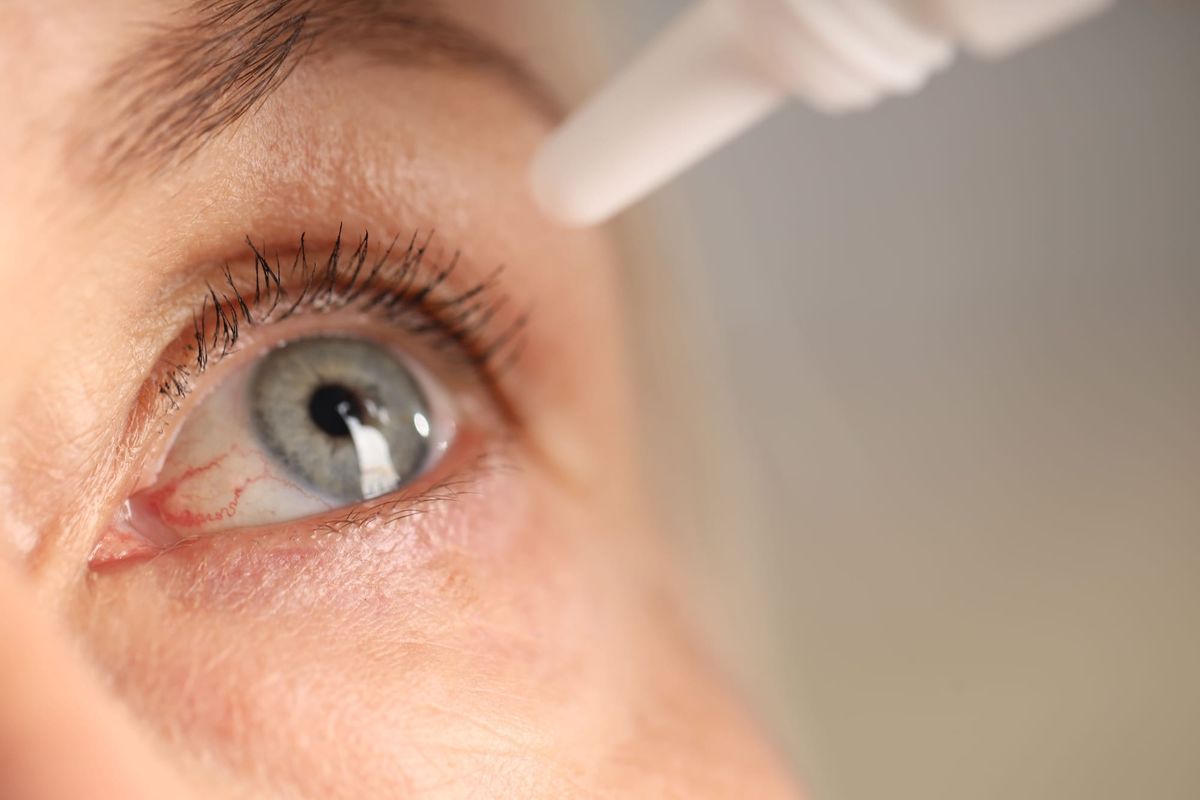
It is easy to dismiss scratchy, burning, or intermittently blurry eyes as a standard side effect of a modern, screen-heavy lifestyle. You grab some over-the-counter lubricating drops, blink a few times, and push through the discomfort.
However, treating dry eyes as a minor inconvenience misses a critical physiological reality: your tear film is a sophisticated biological shield. When it breaks down, it is rarely just a localized eye issue. Instead, chronic dry eyes are an early warning sign of autonomic nervous system imbalance, systemic inflammation, and a massive drain on your daily cognitive bandwidth.
1. The Blink Rate Collapse and Meibomian Gland Dysfunction (MGD)
Your tear film is not just water; it is a highly engineered, three-layer matrix consisting of mucus, water, and lipids (oils). The outer lipid layer is produced by the meibomian glands lining the edges of your eyelids. This oil layer acts as a sealant, preventing the water beneath it from evaporating into thin air.
Under normal conditions, you blink roughly 15 to 20 times per minute, which mechanically pumps these glands and coats the eye. However, when you lock your eyes onto a screen for intensive data management, coding, or gaming, your blink rate plummets by up to 60%, and many of those blinks become incomplete. Without the mechanical pressure of a full blink, the oil in the glands becomes stagnant, thickens, and eventually hardens—a condition known as Meibomian Gland Dysfunction. Once these glands block and atrophy, your tears evaporate almost instantly, leaving the delicate surface of your eye unprotected.
2. Chronic Sympathetic Overdrive
Tear secretion is highly dependent on your autonomic nervous system. The lacrimal glands (which produce the watery layer of your tears) are primarily stimulated by the parasympathetic nervous system—the "rest and digest" state that governs recovery, digestion, and cellular maintenance.
When you spend your days locked in a sympathetic-dominant state (fight-or-flight), driven by high-stress deadlines, constant notifications, and zero downtime, your body downregulates non-survival functions. Just as chronic stress dries out your mouth by reducing saliva, it suppresses the neural signals required to keep your eyes fully lubricated. If your eyes are constantly dry, your nervous system is likely running hot.
3. The Trigeminal Nerve and Hidden Cognitive Fatigue
The cornea is one of the most densely innervated tissues in the entire human body, packed with sensory fibers from the trigeminal nerve. When the tear film thins out, these nerve endings are exposed directly to the air, sending a continuous loop of low-grade distress signals to your brain.
While you might not perceive this as sharp pain, your brain still has to dedicate constant subconscious processing power to filter out this sensory noise. This persistent neurological friction actively accelerates mental fatigue, breaks your flow state during deep work, and can manifest as unexplained brain fog or tension headaches by the end of the day.
4. Ocular Manifestation of Systemic Inflammation
The health of your tear film reflects your systemic biochemistry. The lipid-producing meibomian glands are highly susceptible to systemic inflammation.
If your diet is deficient in high-quality marine lipids (Omega-3 fatty acids, specifically EPA and DHA) and skewed toward pro-inflammatory pathways, the viscosity of the oil your glands produce changes for the worse. Instead of a smooth, free-flowing lubricant, it becomes thick and toothpaste-like, accelerating gland blockages. Furthermore, low-grade systemic inflammation directly damages the delicate goblet cells in the eye that secrete the foundational mucus layer of the tear film.
Strategic Habits to Restore the Ocular Shield
To fix dry eyes, you have to look beyond temporary artificial tears and address the underlying environmental and systemic causes.
- Practice Conscious Blinking Drills: Set a visual trigger on your desk. Every time you finish a specific task or look at a new page, perform 5 intentful, hard blinks where your eyelids firmly seal together to express the oil from your glands.
- Optimize Your Fatty Acid Profile: Prioritize high-quality Omega-3 supplementation (EPA/DHA) to improve the fluid quality of your meibomian gland secretions, naturally lowering the evaporation rate of your tears.
- Enforce the 20-20-20 Rule: Every 20 minutes, look at something 20 feet away for at least 20 seconds. This breaks the static accommodative spasm of your eye muscles and resets your natural blinking frequency.
- Manage Your Microclimate: Screen-heavy environments are often plagued by moving air from fans or air conditioning, which rapidly strips moisture from the eyes. Use a desktop humidifier to keep the ambient humidity around 45% to 50%.
The Takeaway
Your eyes are a direct extension of your central nervous system. Chronic dryness isn't just an irritation to be ignored; it is a sign of structural stagnation, sympathetic overdrive, or systemic lipid imbalances. By actively protecting your blink mechanics, supporting your biochemistry, and managing your screen hygiene, you protect not only your vision but your cognitive endurance as well.
Jonesha Smith