
The Cholesterol Mistakes That Confuse Millions of Adults
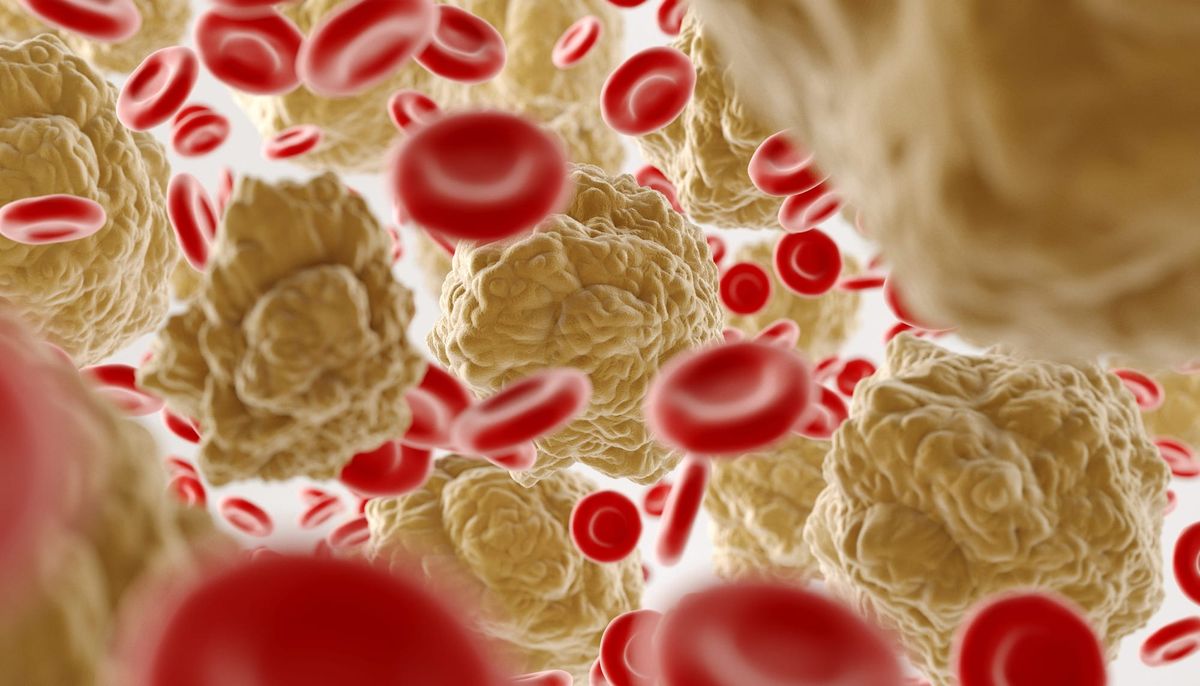
Few topics in corporate wellness and clinical medicine generate as much anxiety and confusion as cholesterol. For decades, the public has been bombarded with oversimplified guidelines labeling cholesterol as a baseline dietary toxin that directly plugs arteries and triggers cardiovascular events.
This surface-level narrative has created a massive educational gap. Millions of adults routinely freak out over their routine blood work, misinterpreting their numbers and making critical lifestyle adjustments based on outdated science. Managing your long-term cardiovascular health and protecting your vascular system requires looking past outdated guidelines and evaluating the foundational cholesterol mistakes that confuse modern adults.
1. Obsessing Over Total Cholesterol While Ignoring Particle Particle Count
The most common structural mistake made during a standard lipid evaluation is placing entire diagnostic weight on "Total Cholesterol." Your total cholesterol number is simply a gross measurement of the combined mass of cholesterol circulating in your bloodstream.
Cholesterol is a lipid; because it is fat-soluble, it cannot float freely through your water-based blood. To travel through your system, it must be packaged into specialized protein-bound carriers called lipoproteins. Standard testing lumps these carriers together, giving you a superficial overview. True cardiovascular risk is not determined by the total mass of cholesterol inside these packages, but by the literal number of packages circulating in your system—specifically your Apolipoprotein B (ApoB) or LDL particle count (LDL-P). A high particle count means a significantly higher mathematical probability that these packages will breach your arterial wall, triggering plaque buildup and vascular stiffening.
2. Labeling LDL as "Bad" and HDL as "Good"
The absolute oversimplification of splitting cholesterol into "good" (HDL) and "bad" (LDL) camps has fundamentally distorted how adults view their metabolism. LDL (Low-Density Lipoprotein) is not an inherently malicious particle designed to destroy your heart; it is a vital transport vehicle responsible for delivering cholesterol and essential life-giving nutrients to every cell in your body for hormone synthesis, cellular membrane repair, and neurological function.
Similarly, assuming a sky-high HDL (High-Density Lipoprotein) level acts as an all-access pass to ignore poor lifestyle choices is a significant behavioral trap. While HDL functions to clear excess cholesterol from your tissues and return it to the liver, clinical trials show that excessively high HDL numbers can sometimes become dysfunctional under conditions of systemic oxidative stress. True cardiovascular safety is not built on a superficial tug-of-war between these two metrics; it relies on minimizing the inflammation that causes these particles to become damaged in the first place.
3. Ignoring the Destructive Power of Metabolic Inflammation
The standard medical narrative often implies that if your LDL numbers are elevated, arterial plaque formation is an inevitable certainty. This completely ignores the critical role of endothelial health. An LDL particle cannot randomly deposit itself into a healthy, uninflamed blood vessel wall.
Plaque formation requires a two-step process: structural damage and oxidation. When you maintain an erratic nutritional pattern full of refined carbohydrates, processed snacks, and industrial seed oils, your body experiences chronic blood sugar spikes and acute insulin surges. This metabolic volatility triggers endothelial dysfunction—the systematic inflammation and microscopic tearing of the delicate inner lining of your blood vessels. Damaged arterial walls allow circulating LDL particles to become trapped in the vascular matrix, where they oxidize, turn toxic, and spark an immune response that builds plaque. Cholesterol is simply the spackle trying to patch a wall that your diet is actively tearing down.
4. Completely Avoiding Dietary Cholesterol While Ignoring Sugars
When handed an elevated lipid panel, many adults instantly launch a scorched-earth campaign against dietary fats, cutting out eggs, red meat, and whole dairy products. This reactive shift is based on a profound misunderstanding of human physiology.
Your liver naturally manufactures roughly 80% of the cholesterol circulating in your body because it is a foundational building block for life. When you drastically lower your dietary cholesterol intake, your liver simply increases its internal production to maintain equilibrium. Conversely, when you cut out healthy fats, you often replace those calories with refined wheat breads, commercial juices, and low-fat packaged foods. These highly refined carbohydrates drive up your triglycerides and cause your liver to produce smaller, denser, and highly dangerous LDL particles that are far more likely to trigger vascular tightening and heart disease.
Strategic Habits for True Cardiovascular Protection
Protecting your vascular system requires shifting away from panic-driven restriction and adopting an aggressive, defensive lifestyle strategy designed to optimize your underlying metabolic health.
- Audit Your Advanced Lipid Metrics: Move past superficial screening panels and request an ApoB or NMR lipoprofile test from your healthcare provider to evaluate your literal particle count.
- Stabilize Your Glucose Curve: Base your diet around high-quality proteins and plenty of dietary fiber to eliminate post-meal insulin spikes, keeping your vascular walls smooth and uninflamed.
- Incorporate Consistent Movement Snacks: Take a brief 10 to 15-minute walk immediately after your largest meals to force your muscles to actively consume circulating glucose, naturally lowering metabolic inflammation.
The Takeaway
Cholesterol is a vital structural component of human biology, not a silent enemy waiting to attack your heart. True long-term vitality and a high quality of life require a deep understanding of your underlying biochemistry. By shifting your focus away from superficial, outdated metrics and prioritizing blood sugar stability, endothelial protection, and accurate advanced testing, you can permanently alter your biological path—ensuring your body stays resilient and your cardiovascular system remains fully optimized across every decade of life.
Jonesha Smith