
Why Protein Becomes More Important as You Age
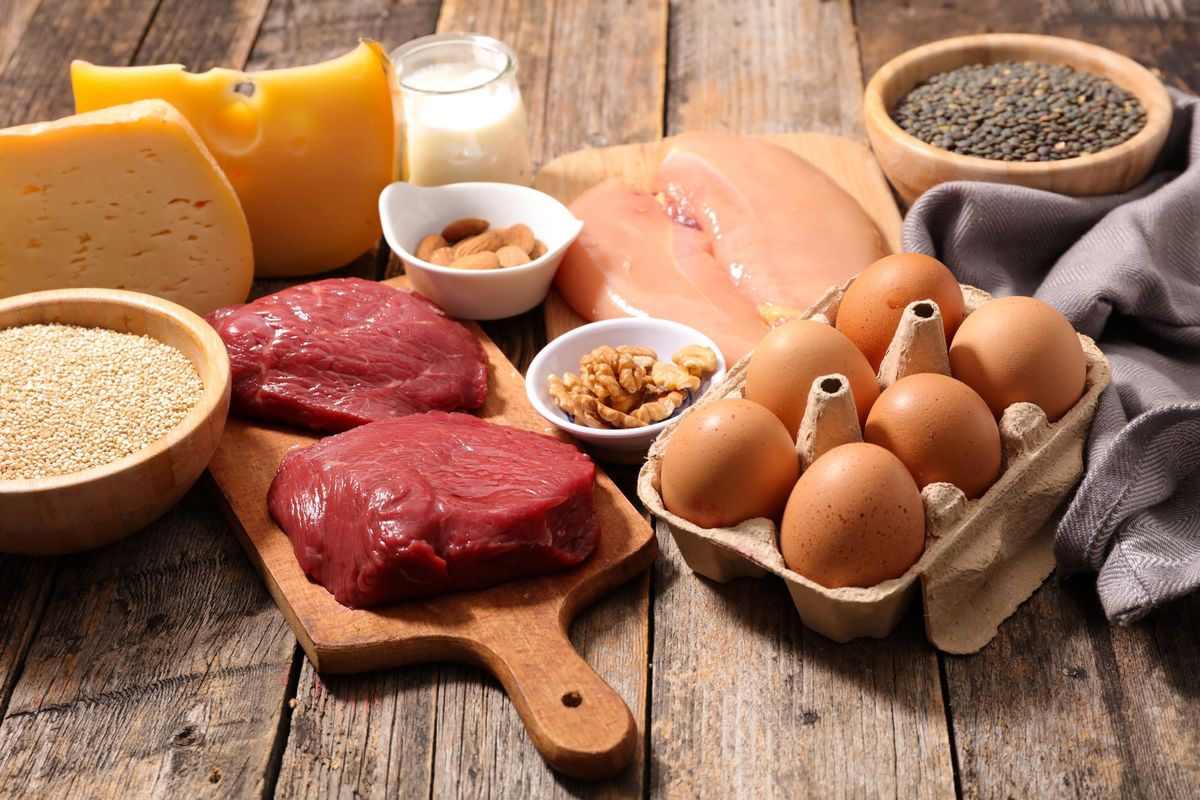
When discussing the role of dietary protein, the conversation often revolves around youth culture—fitness enthusiasts, bodybuilders, and competitive athletes aiming to maximize muscle hypertrophy. Modern health advice routinely overlooks a critical physiological reality: your biological requirement for protein actually increases significantly as you move into your 30s, 40s, and beyond.
While your total daily calorie requirements naturally taper down as your metabolism slows with age, your body’s need for high-quality amino acids climbs. Failing to adjust your nutritional patterns to meet this shift forces your body into a state of structural vulnerability, quietly accelerating physical frailty, metabolic instability, and systemic fatigue.
1. Overcoming Age-Related Anabolic Resistance
The primary driver behind your body’s growing need for protein is a clinical phenomenon known as anabolic resistance. In your younger years, your muscles are highly sensitive to even trace amounts of amino acids, easily triggering muscle protein synthesis (the process of repairing and building muscle tissue) after a standard meal.
As you age, your cellular pathways naturally desensitize. The same dose of protein that easily triggered muscle repair in your twenties no longer registers an anabolic signal in your forties. To bypass this cellular bottleneck and successfully stimulate muscle protein synthesis, you must consume a higher threshold of protein per meal, specifically targeting the essential amino acid leucine. Failing to hit this higher metabolic trigger leaves your muscles in a perpetual catabolic state, where your body systematically breaks down its own structural tissue to access vital amino acids for core survival functions.
2. Halting the Structural Decay of Sarcopenia
This continuous, unmitored breakdown of muscle tissue directly feeds into sarcopenia—the involuntary loss of skeletal muscle mass, strength, and function. Beginning around age 30, the human body naturally sheds roughly 3% to 5% of its lean muscle per decade, a destructive trajectory that accelerates drastically past age 60.
Sarcopenia is the single greatest threat to your future healthspan and physical freedom. When you lose muscle mass, you compromise joint stability, alter your natural gait, and eliminate the structural buffer that protects your skeletal frame from mechanical shock. Maintaining a protein-forward dietary pattern provides your body with the continuous supply of raw materials necessary to halt this age-related muscle wasting, ensuring your joints remain protected and your baseline mobility remains secure across your lifespan.
3. Preserving Your Primary Metabolic Glucose Sink
Skeletal muscle tissue is not just an instrument for physical movement; it acts as your body’s largest and most efficient metabolic organ. Your muscles serve as the primary storage sink for circulating blood sugar, absorbing up to 80% of post-meal glucose from your bloodstream to maintain metabolic equilibrium.
As sarcopenia degrades your muscle mass, your body loses its natural capacity to process carbohydrates efficiently. This structural decline leads directly to acute drops in insulin sensitivity. Even if you maintain a seemingly clean diet, having a smaller muscular frame means your pancreas must pump out increasingly high levels of insulin to clear blood sugar. This hormonal surge locks you into a volatile cycle of rapid glucose spikes and exhausting midday energy crashes. Prioritizing protein protects your muscle architecture, directly stabilizing your metabolic trajectory and preventing long-term metabolic dysfunction.
4. Strengthening the Immune and Structural Matrix
The hidden costs of a low-protein diet extend far beyond your muscular frame. Your immune system depends entirely on amino acids to synthesize antibodies, white blood cells, and signaling molecules necessary to fight off systemic pathogens and manage inflammation. When protein intake falls short, your immune resilience degrades, leaving you highly vulnerable to prolonged illness and delayed recovery windows.
Simultaneously, protein is the foundational building block for collagen, keratin, and elastin. Operating on a continuous amino acid deficit deprives your skin, tendons, ligaments, and bone matrix of the structural elements required for continuous cellular repair. This systemic shortage manifests practically as lingering joint stiffness, a significantly higher rate of tendon strains, and an inability to bounce back efficiently from intense physical conditioning.
Strategic Habits for Amino Acid Optimization
Reversing the toll of age-related muscle decay requires shifting away from passive eating habits and establishing a deliberate, daily nutritional routine to signal structural safety to your cells.
- Anchor with a Protein-Forward Breakfast: Start your morning with a minimum of 30 to 40 grams of high-quality protein to instantly reverse overnight muscle breakdown and secure stable morning glucose levels.
- Prioritize Balanced Satiety over Restriction: Build your meals around a substantial protein source combined with dietary fiber, which naturally slows digestion, prevents insulin spikes, and eliminates late-night cravings.
- Combine with Progressive Resistance Training: Pair your protein intake with two to three structured anaerobic weight-lifting sessions per week to actively force your muscles to utilize circulating amino acids for tissue repair.
The Takeaway
True physical vitality and cognitive longevity in your later decades are never accidental; they are the direct consequences of the biochemical environment you establish through nutrition. Your body cannot run optimally on a perpetual deficit of quality protein, no matter how clean your lifestyle is or how long you sleep. By understanding your changing biological requirements and actively prioritizing high-quality amino acids, you can permanently alter your physical path—ensuring your body stays strong, your joints stay protected, and your baseline energy remains fully optimized.
Jonesha Smith