
The Early Signs of Knee Problems Most People Ignore
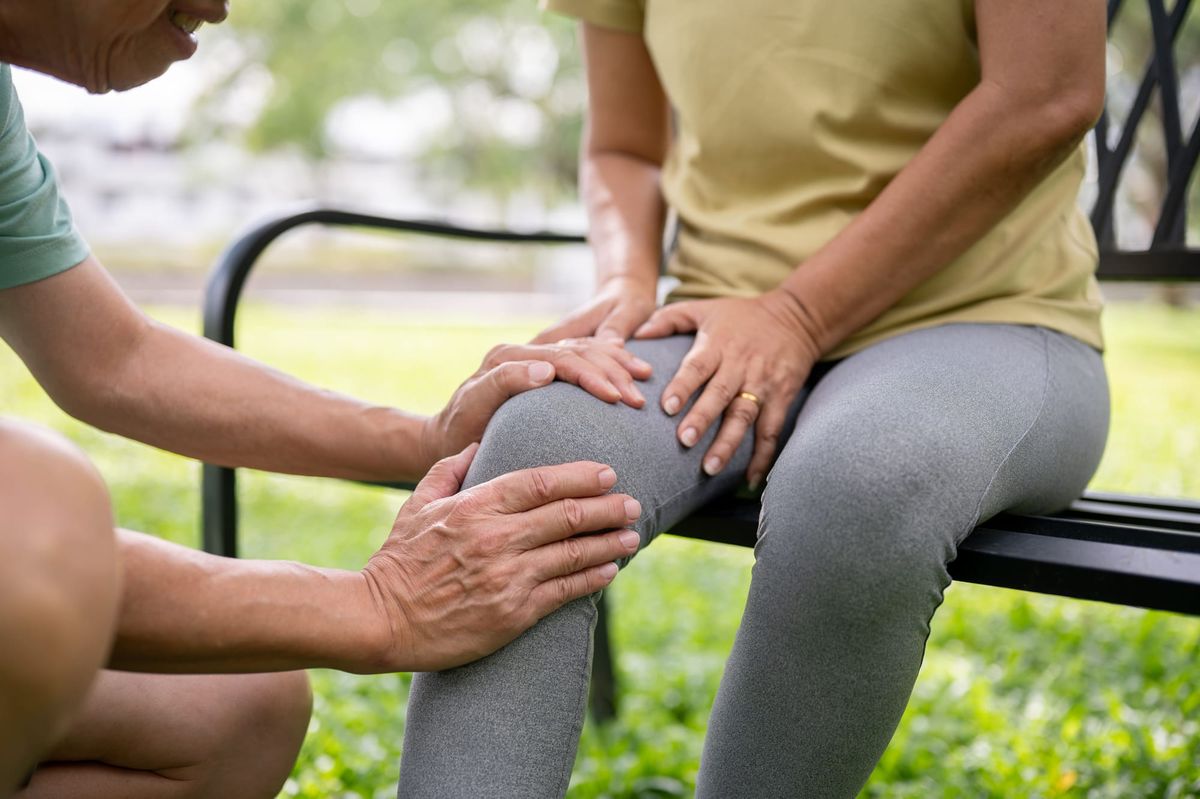
We tend to treat our knees like basic mechanical hinges. As long as they allow us to walk, run, or squat without sharp, excruciating pain, we assume everything is fine. Because the knee joint is incredibly resilient, it is easy to ignore the subtle, quiet warning signs it sends when its underlying biomechanics begin to fail.
By the time you feel sharp pain during a deep squat or a simple step down, structural damage—such as cartilage wear or meniscus fraying—has already begun. Catching knee issues early requires understanding the silent, mechanical red flags that precede actual pain.
1. Crepitus (Painless Popping, Clicking, or Grinding)
Almost everyone has experienced a pop or a click when squatting down or standing up after sitting for a long time. If there is no accompanying pain, the standard reaction is to ignore it.
While occasional popping is simply gas bubbles escaping the joint fluid (cavitation), a persistent, sandpaper-like grinding or regular clicking is a different story. This is known as crepitus. It is a direct physical sign that the articular cartilage—the smooth, slippery tissue lining your joints—is no longer gliding seamlessly. Instead, it is rubbing against rough spots, hinting at early-stage cartilage wear.
2. Sub-Optimal Patellar Tracking (The Straying Kneecap)
Your kneecap (patella) is designed to slide up and down within a specific groove at the end of your thigh bone (femur). If the surrounding muscles are unbalanced, the patella begins to pull off-center, leading to poor patellar tracking.
Think of your thigh muscles as tension wires holding up a tent pole. If the outer thigh is chronically tight and the inner tear-shaped muscle—the Vastus Medialis Obliquus (VMO)—is weak, the kneecap is pulled outward. This lateral tracking creates uneven friction, slowly wearing down the protective cartilage behind the kneecap. A classic early sign of this is a dull, aching sensation directly behind or around the kneecap after sitting with bent knees for a long time, often called the "movie theater sign."
3. Post-Rest Stiffness That Disappears with Movement
If you find that your knees feel stiff and restricted first thing in the morning, or when you stand up after a long study or work block, but that stiffness completely vanishes after 5 to 10 minutes of walking, do not write it off as simple muscle tightness.
Healthy joints depend on synovial fluid, a natural lubricant produced when your joints move. When you sit still, this fluid pools and thickens. If your cartilage is healthy, this is not an issue. However, if early-stage wear has begun, your joint requires significantly more movement to distribute this fluid and ease friction. This fleeting stiffness is a clear biological signal that your joint's natural cushioning is running thin.
4. Lateral Hip and Glute Weakness Masking as Knee Fatigue
The knee is essentially a slave to the joints above and below it—the hip and the ankle. Often, the earliest sign of an impending knee issue does not happen in the knee itself, but in how your body compensates during dynamic movements.
If you notice your knees "caving" inward (valgus collapse) when you perform squats, lunges, or even step down off a curb, your lateral hip stabilizers—specifically the gluteus medius—are failing to fire properly. This inward collapse places immense twisting stress on the knee joint and its stabilizing ligaments. Even if your knees feel fine today, this faulty movement pattern is a ticking clock for patellar tracking issues and meniscus wear.
Strategic Habits to Save Your Knees
Reversing early joint decay requires moving past passive rest and actively building dynamic stability.
- Strengthen Your Inner Quads (VMO): Incorporate terminal knee extensions or Spanish squats to target and strengthen the vastus medialis, helping pull your patella back into its proper track.
- Prioritize Glute Medius Stability: Perform lateral band walks or single-leg squats to ensure your hips can actively prevent your knees from caving inward under load.
- Avoid Prolonged Static Sitting: Break up long sitting blocks by taking a brief 2-minute walk every 45 minutes to keep synovial fluid circulating and prevent joint stiffening.
- Ensure Ankle Mobility: Stretch your calves and Achilles tendon. Tight ankles force your knees to compensate by taking on extra lateral twisting force during deep movements.
The Takeaway
Your knees are built to last, but they require balanced structural support to do so. Painless noises, brief stiffness, and minor tracking errors are not normal quirks—they are actionable, early warnings. By addressing muscle imbalances, maintaining hip stability, and keeping your joints moving, you can stop degeneration in its tracks, ensuring your physical foundation remains completely solid.
Jonesha Smith