
Why Cold Hands and Feet Can Sometimes Signal a Bigger Problem
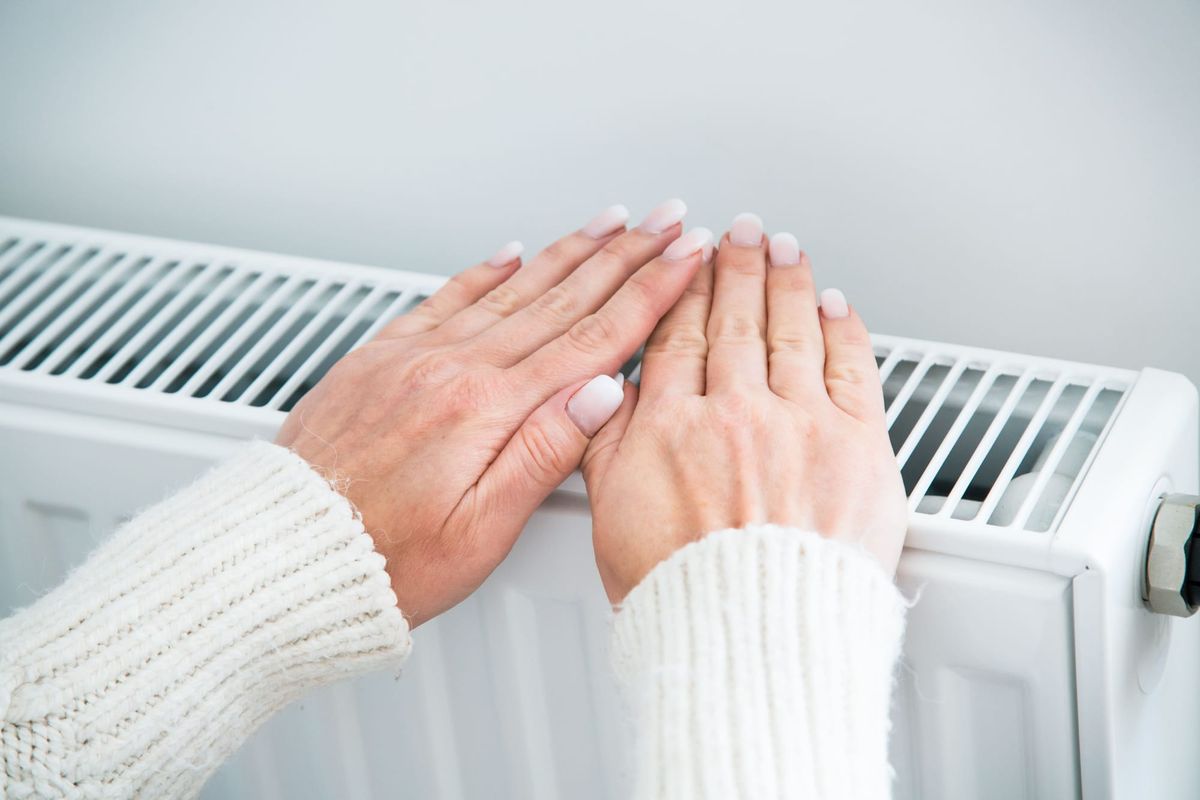
We have all experienced the discomfort of icy fingers and toes during a cold winter day. It is a natural biological defense mechanism: when environmental temperatures drop, your body prioritizes protecting your vital internal organs by redirecting warm blood flow away from your extremities.
However, when icy hands and feet become a chronic, daily occurrence—even in warm rooms or during periods of physical rest—it is no longer a simple reaction to the weather. It is a clear physiological signal that something is disrupting your circulatory, nervous, or metabolic systems. Understanding these underlying drivers is crucial to reclaiming optimal blood flow and protecting your long-term vitality.
1. The Chronic Fight-or-Flight Clamp (Autonomic Imbalance)
Your autonomic nervous system operates on a continuous spectrum between the sympathetic (fight-or-flight) and parasympathetic (rest-and-digest) branches. When you are highly focused—whether managing a stressful workload, studying intensely, or engaging in fast-paced, competitive digital tasks—your sympathetic nervous system dominates.
This chronic state of hyper-vigilance triggers a continuous release of stress hormones like cortisol and adrenaline. These chemicals cause immediate peripheral vasoconstriction, tightening the tiny blood vessels in your hands and feet to redirect oxygen to your major muscles and brain. If you fail to build low-stimulation buffer zones into your routine, your body remains locked in this defensive state, leaving your extremities perpetually starved of warm, oxygenated blood.
2. The Stimulant Trap (Vasoconstriction from Caffeine)
For many active adults, daily energy is fueled by continuous consumption of stimulants, including coffee, energy drinks, or traditional caffeine-rich herbal infusions like Yerba Mate. While these beverages are excellent for cognitive focus and workout performance, caffeine is a potent natural vasoconstrictor.
Consuming high doses of caffeine throughout the day systematically narrows your peripheral arteries. This constriction restricts blood flow to your fingers and toes, compounding any baseline circulatory issues. If your hands are constantly cold, auditing your stimulant intake and introducing caffeine-free windows is a critical metabolic course correction.
3. Vascular Stagnation and Sedentary Stiffening
Your heart is a powerful pump, but it relies heavily on the movement of your skeletal muscles to return blood from your lower extremities back to your core. Leading a modern, desk-bound lifestyle means spending hours completely stationary.
Without the mechanical pump of muscular contraction, blood begins to pool in your lower limbs, slowing down overall systemic circulation. This stagnation, paired with chronic, unmonitored dehydration which naturally thickens your blood volume, makes it incredibly difficult for your cardiovascular system to push blood through the micro-capillaries of your hands and feet.
4. Underlying Hormonal and Metabolic Declines
When cold extremities are accompanied by chronic fatigue, dry skin, and unexplained joint stiffness, it may point to a slowdown in your thyroid gland. Your thyroid acts as your body’s internal thermostat, regulating baseline metabolic rate and cellular heat production.
A subclinical decline in thyroid hormones reduces your baseline body temperature and slows down peripheral circulation. Similarly, localized vascular issues like Raynaud’s phenomenon—where blood vessels in the fingers spasm and temporarily shut down in response to cold or stress—require close attention to prevent long-term tissue damage.
Strategic Habits to Restore Warmth and Flow
Reclaiming optimal peripheral circulation requires moving past thick socks and hot baths, focusing instead on optimizing your baseline vascular and nervous health.
- Execute Post-Meal Movement Snacks: Take a 10 to 15-minute walk immediately after meals to activate your skeletal muscle pump and instantly boost systemic circulation.
- Establish a Caffeine Buffer: Limit your intake of caffeine and Yerba Mate to the morning hours, ensuring your blood vessels have ample time to dilate and recover in the afternoon.
- Front-Load Your Hydration: Drink a large glass of water immediately upon waking to restore blood volume and prevent vascular thickening.
- Utilize Low-Stimulation Downtime: Build a 60-minute digital buffer zone before bed to drop your nervous system into a parasympathetic state, naturally relaxing constricted blood vessels.
The Takeaway
Cold hands and feet are not a minor quirk to be ignored; they are an external window into your internal biochemistry. By actively balancing your nervous system, managing your stimulant load, and incorporating consistent movement, you can permanently restore optimal blood flow—ensuring your body stays warm, resilient, and fully optimized.
Jonesha Smith